English
English

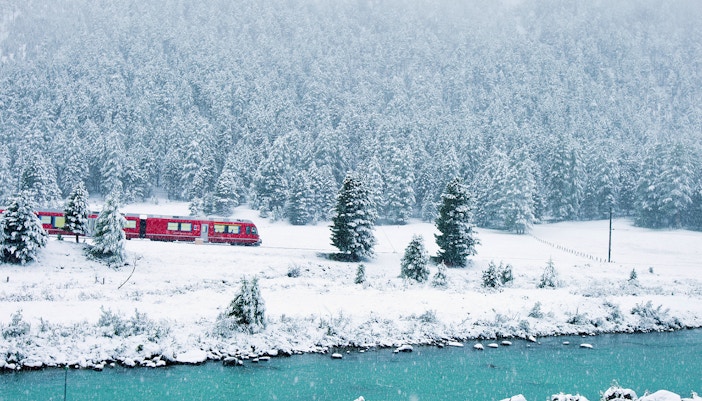
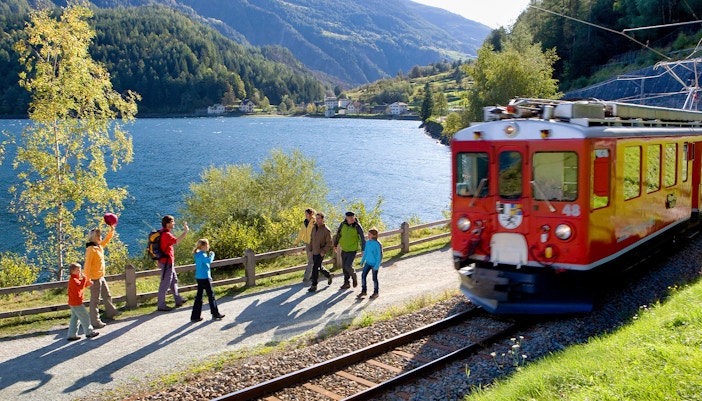
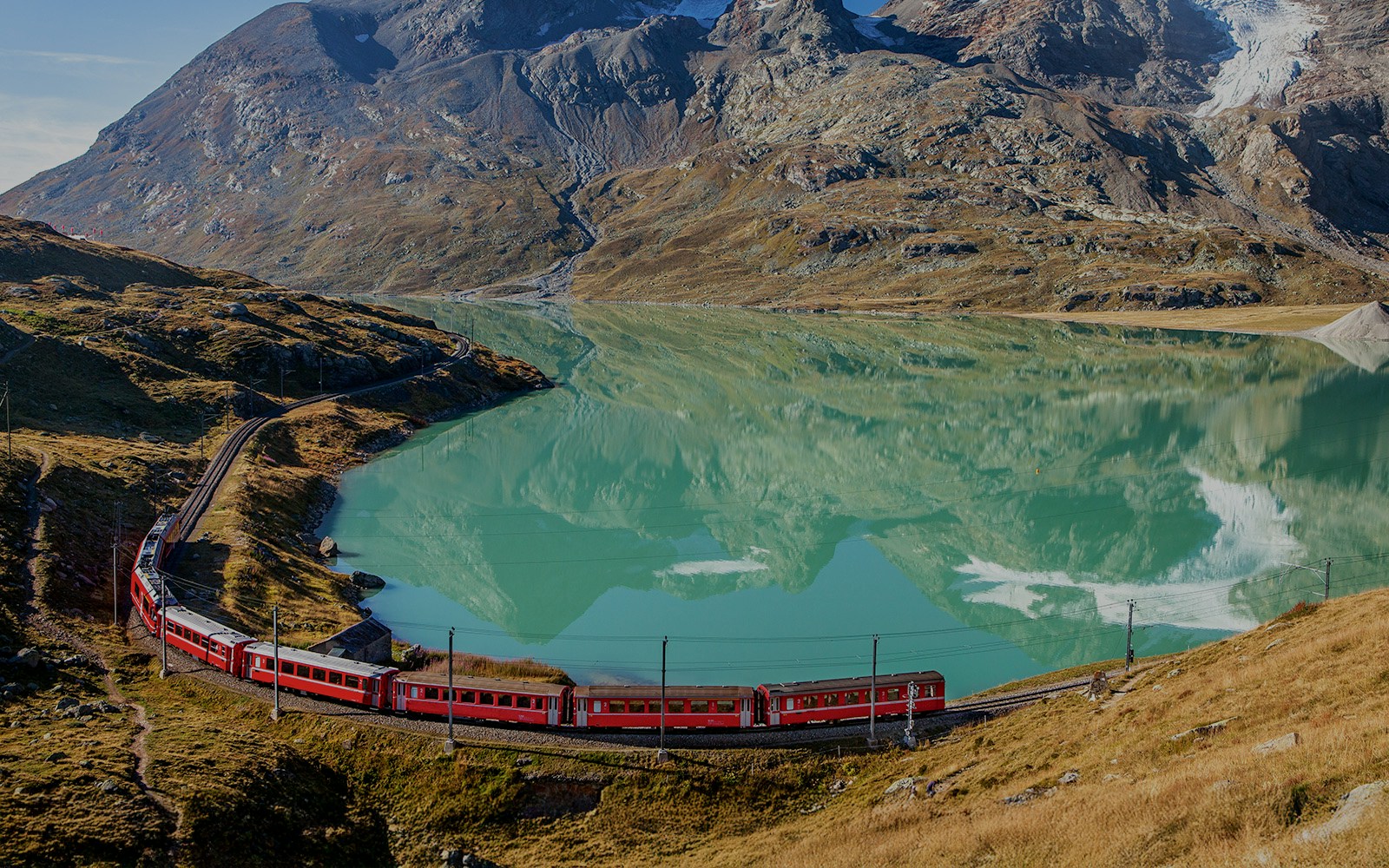
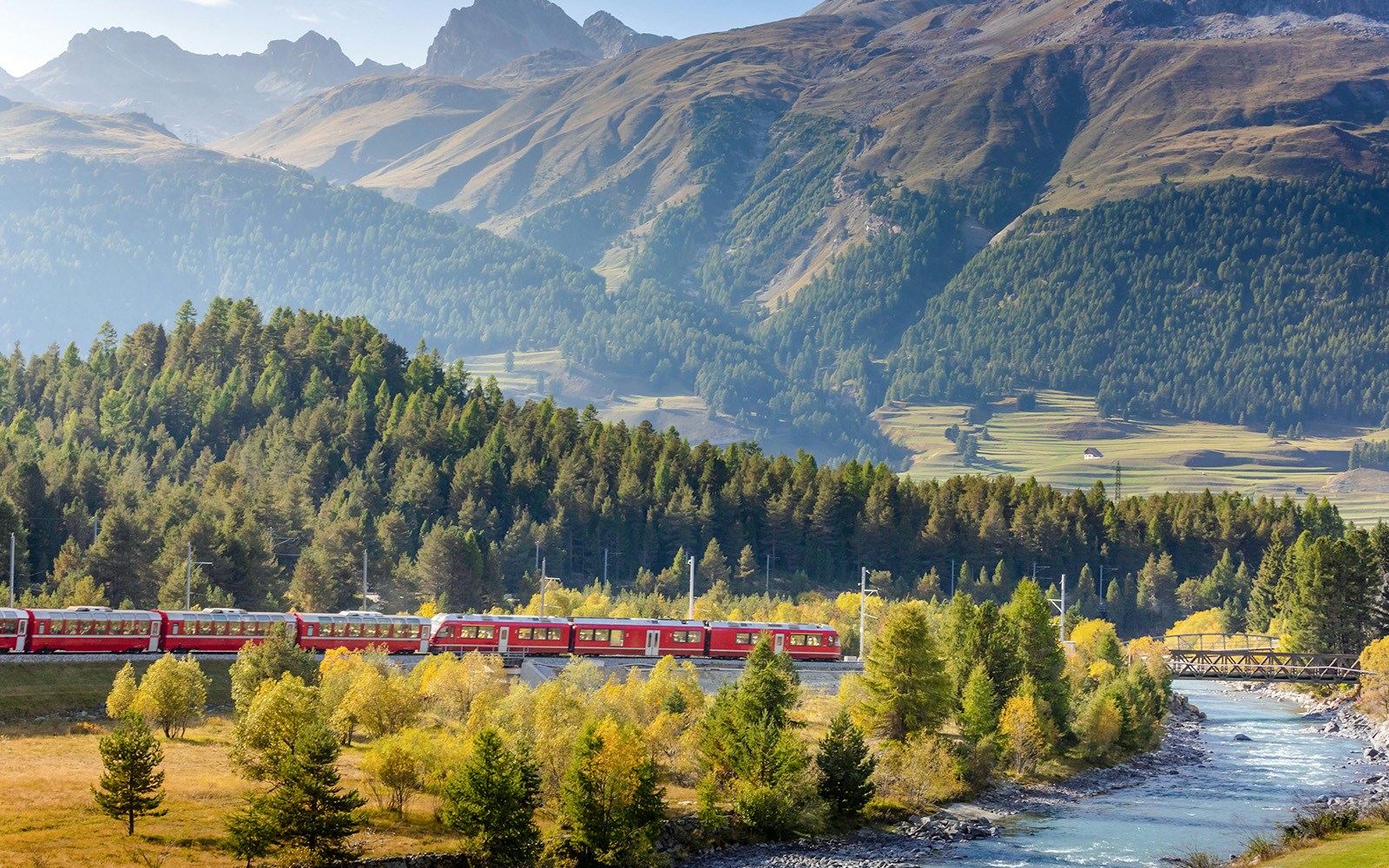
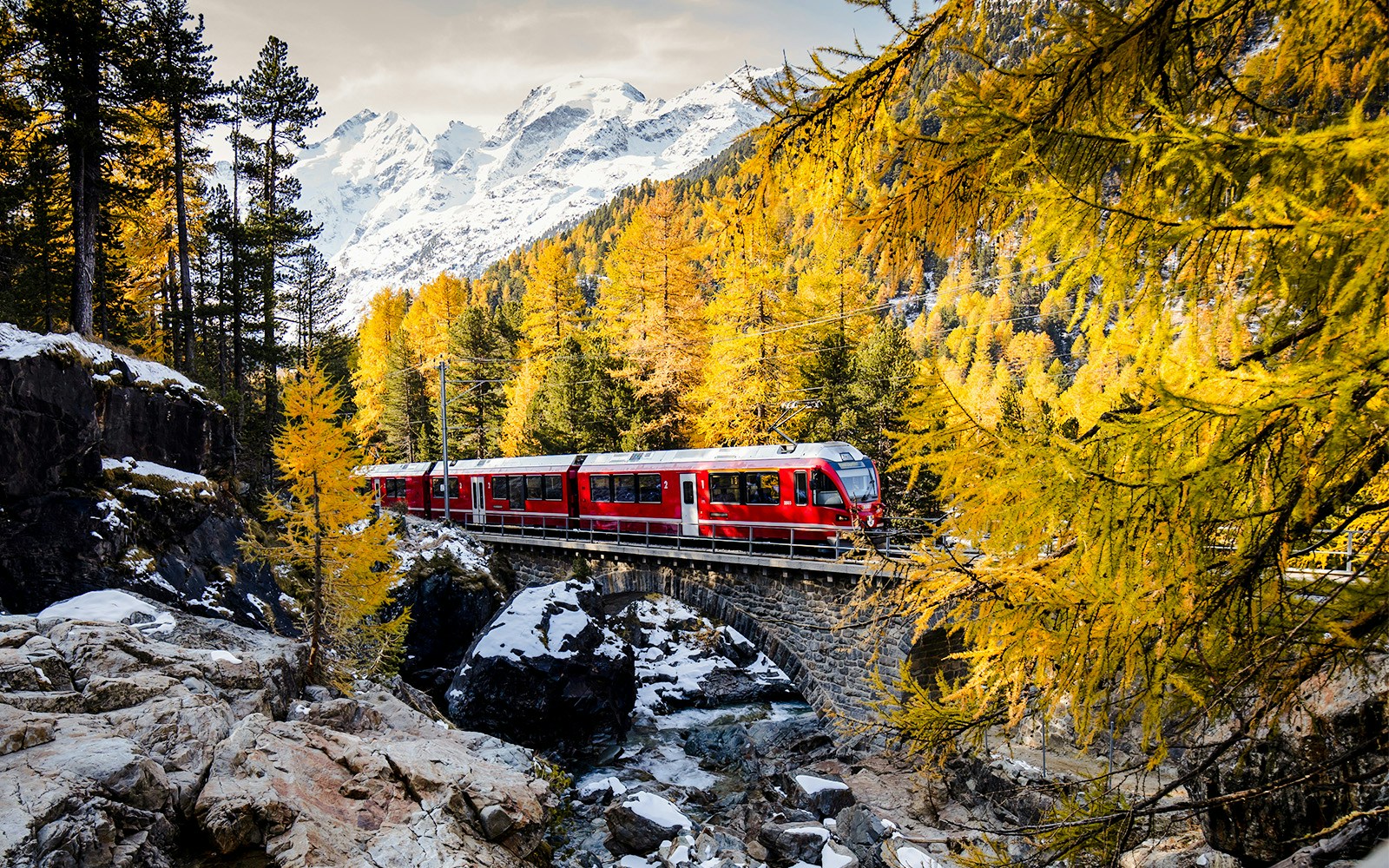
The Bernina Express connects St. Moritz (Switzerland) to Tirano (Italy), crossing the UNESCO-listed Albula–Bernina railway—one of the most scenic train journeys in Europe.
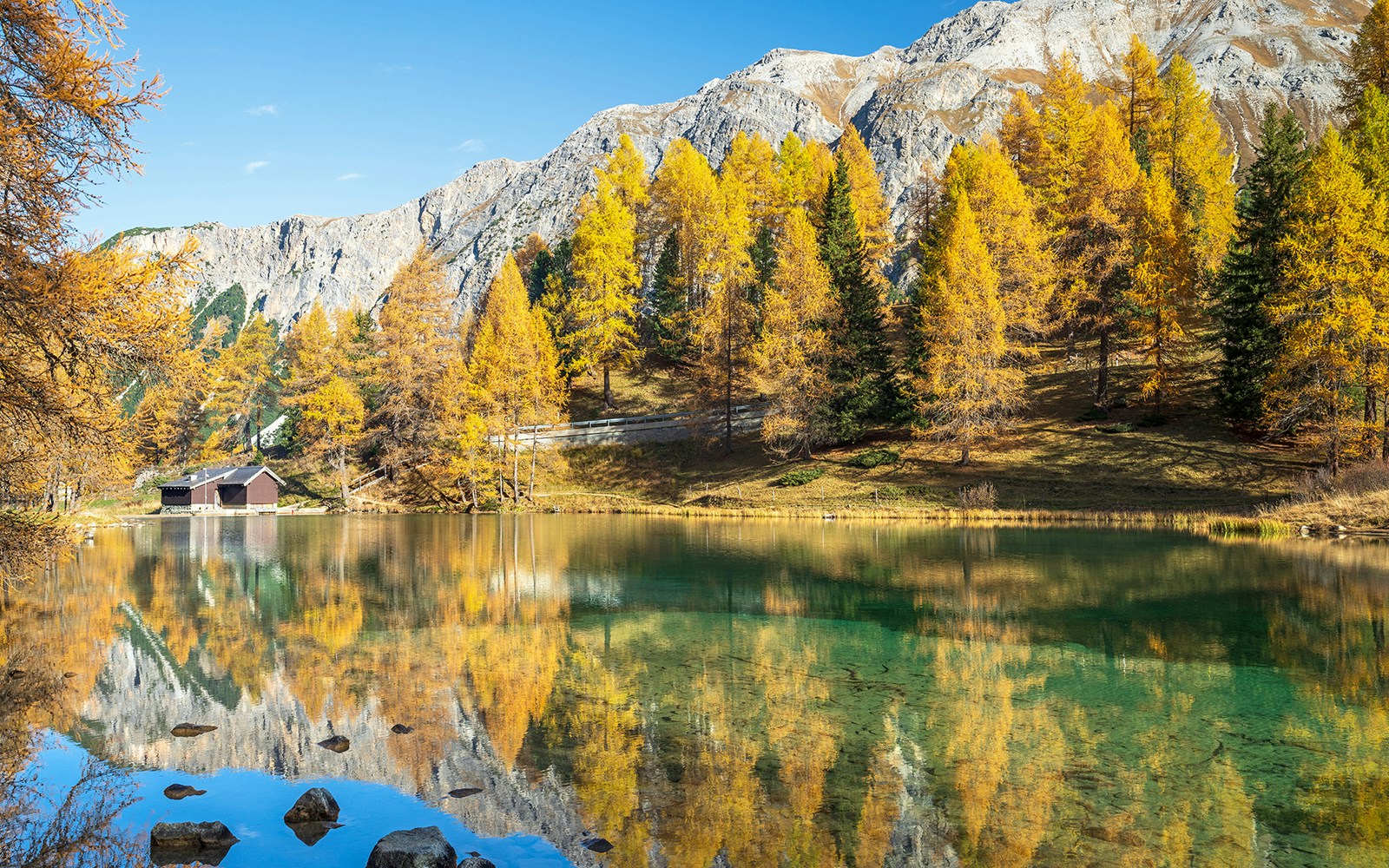
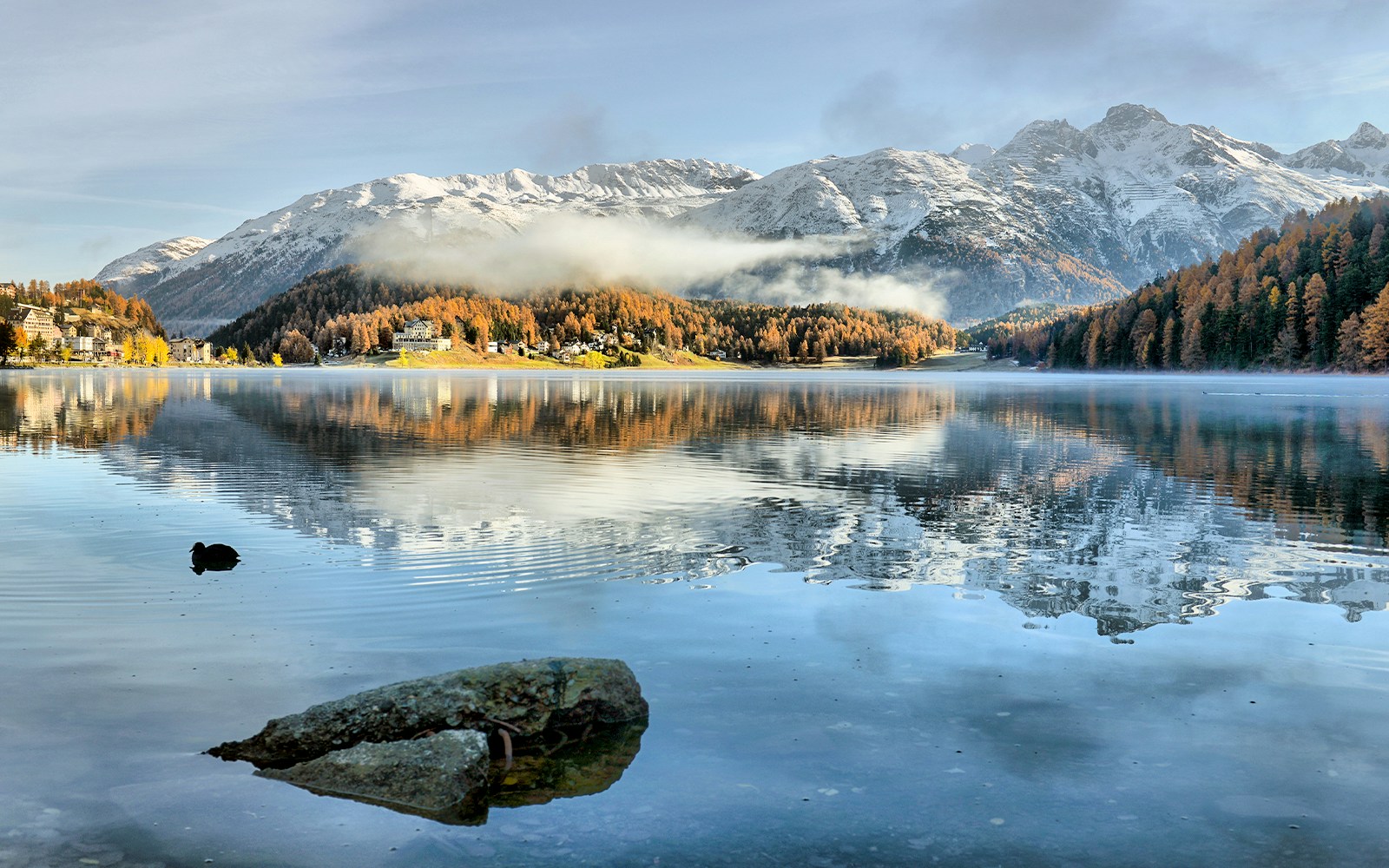
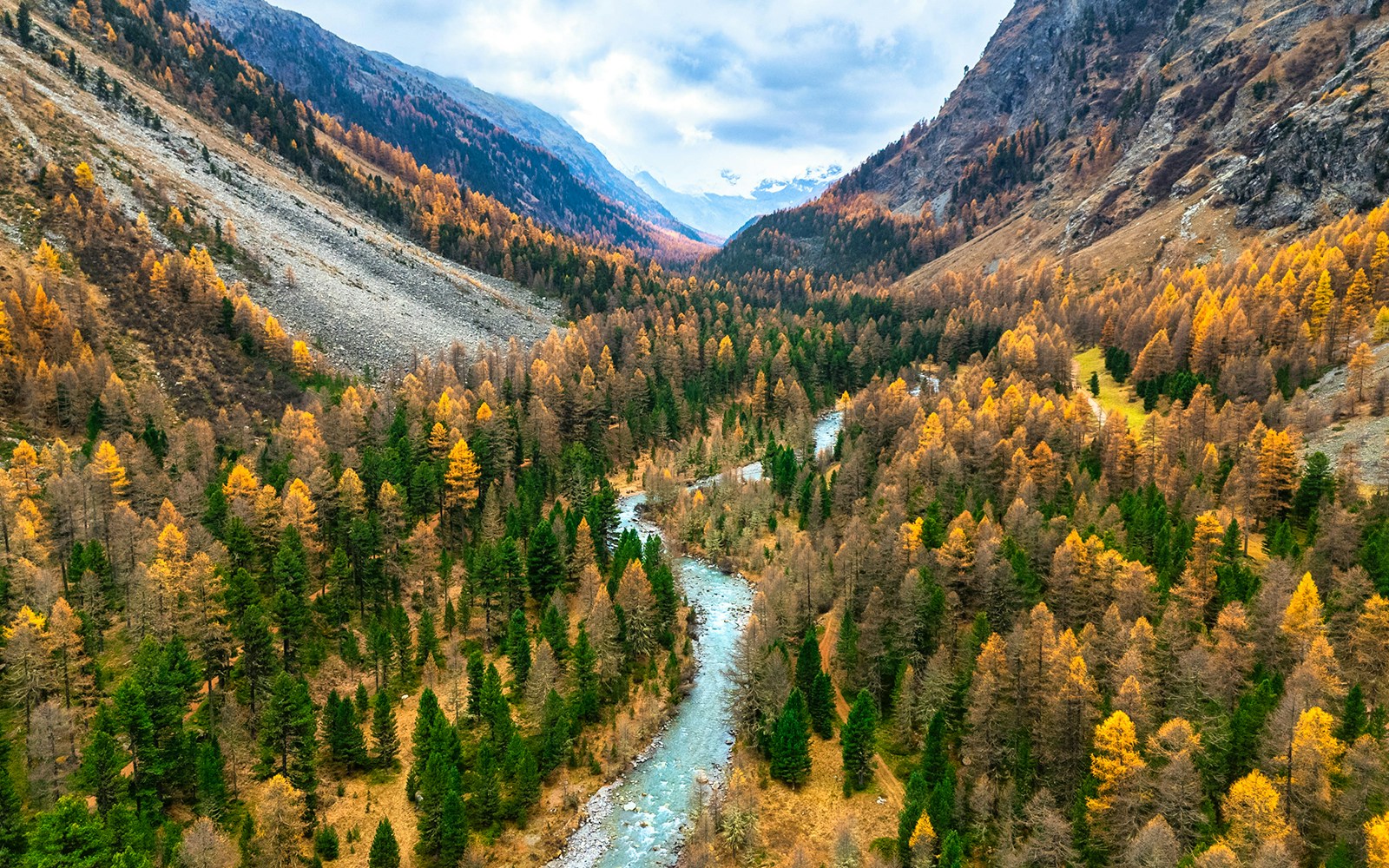
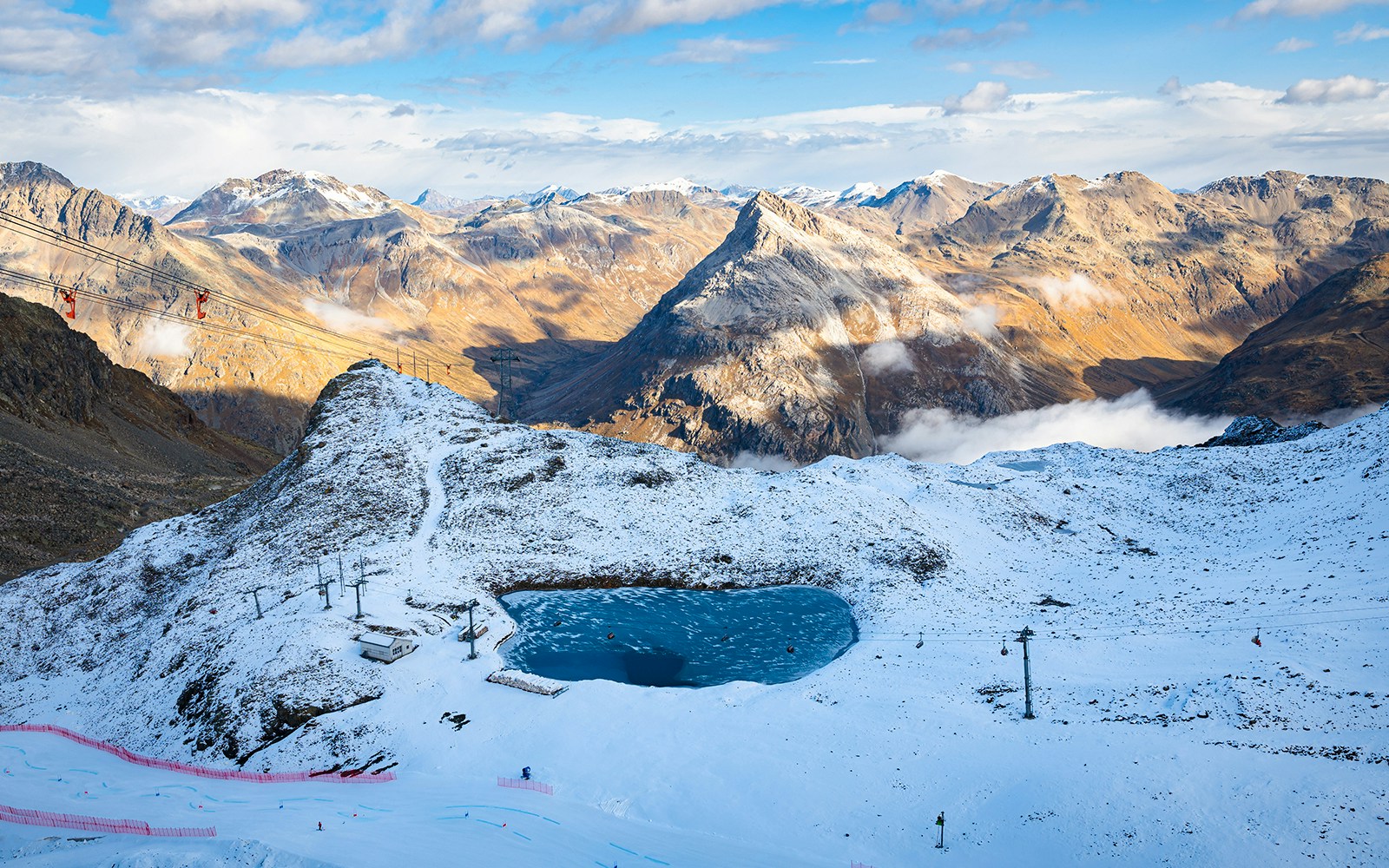
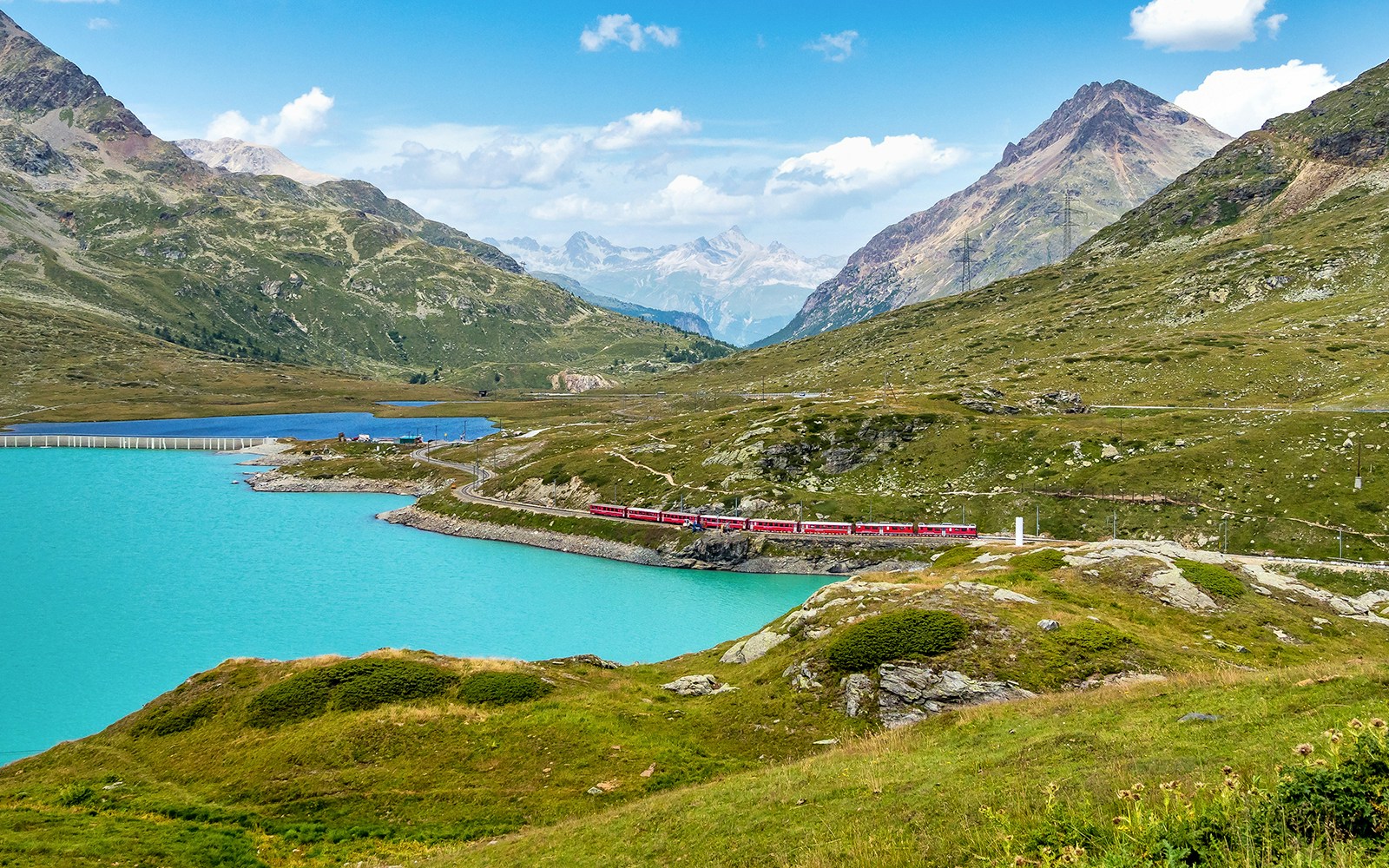
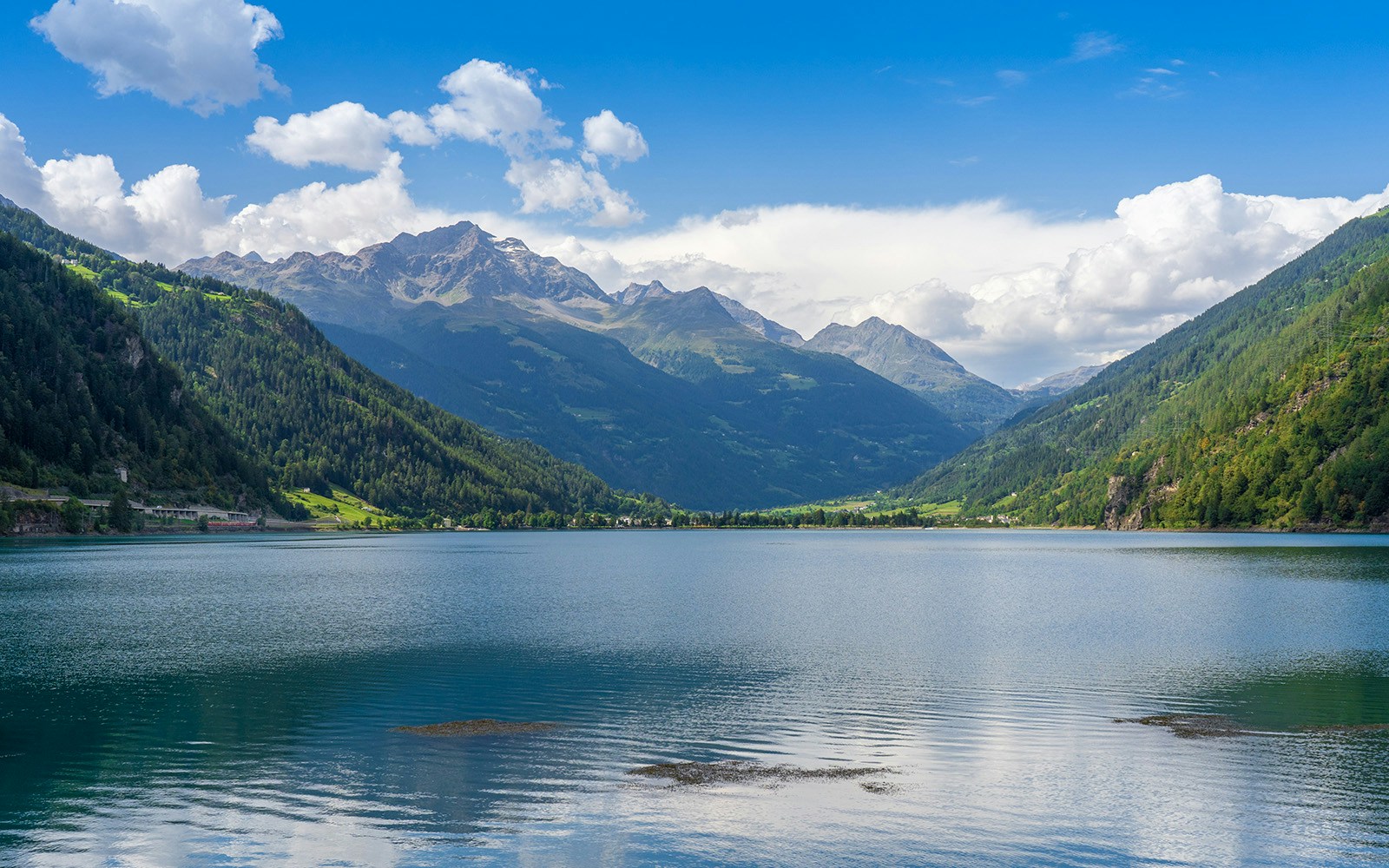
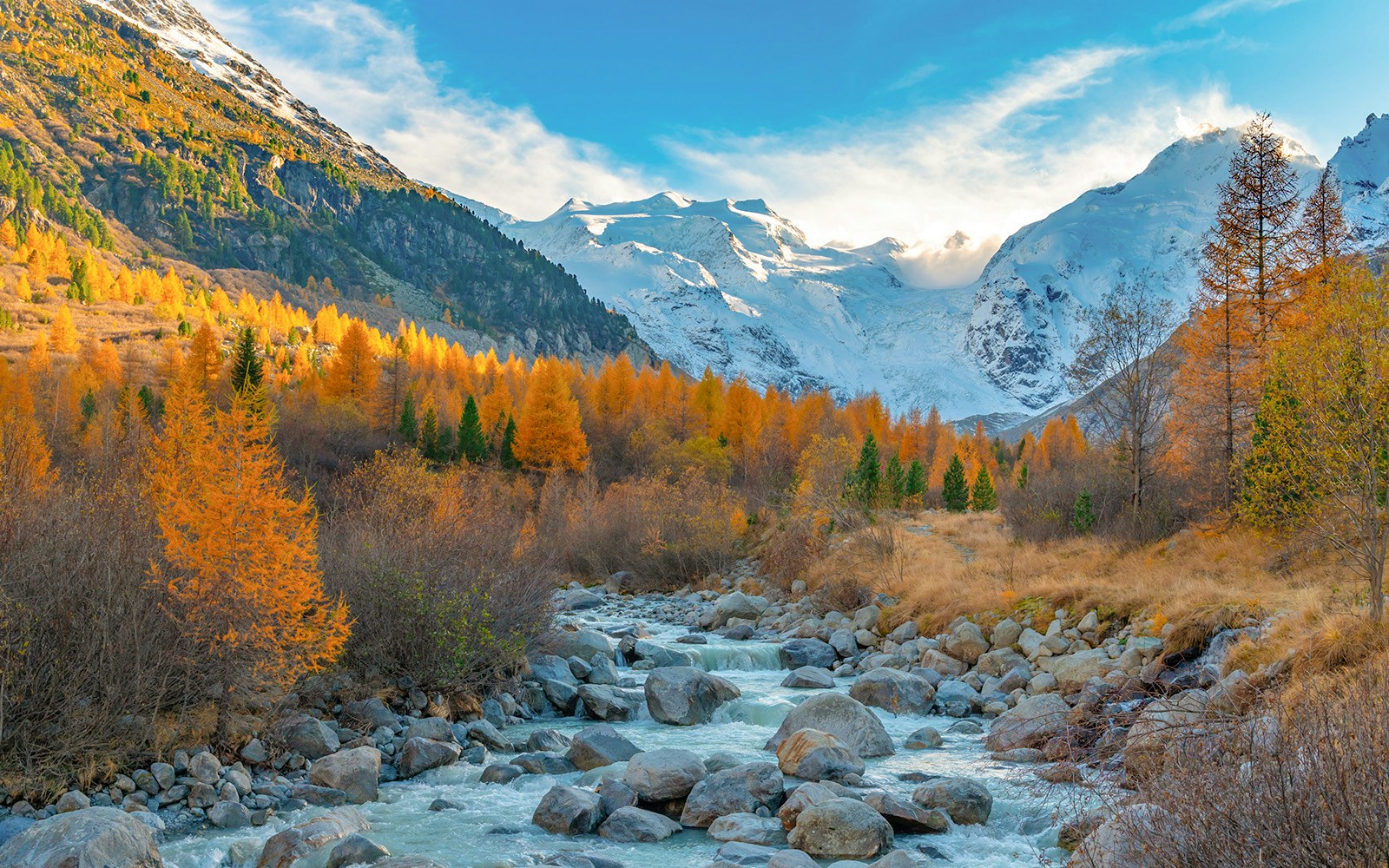
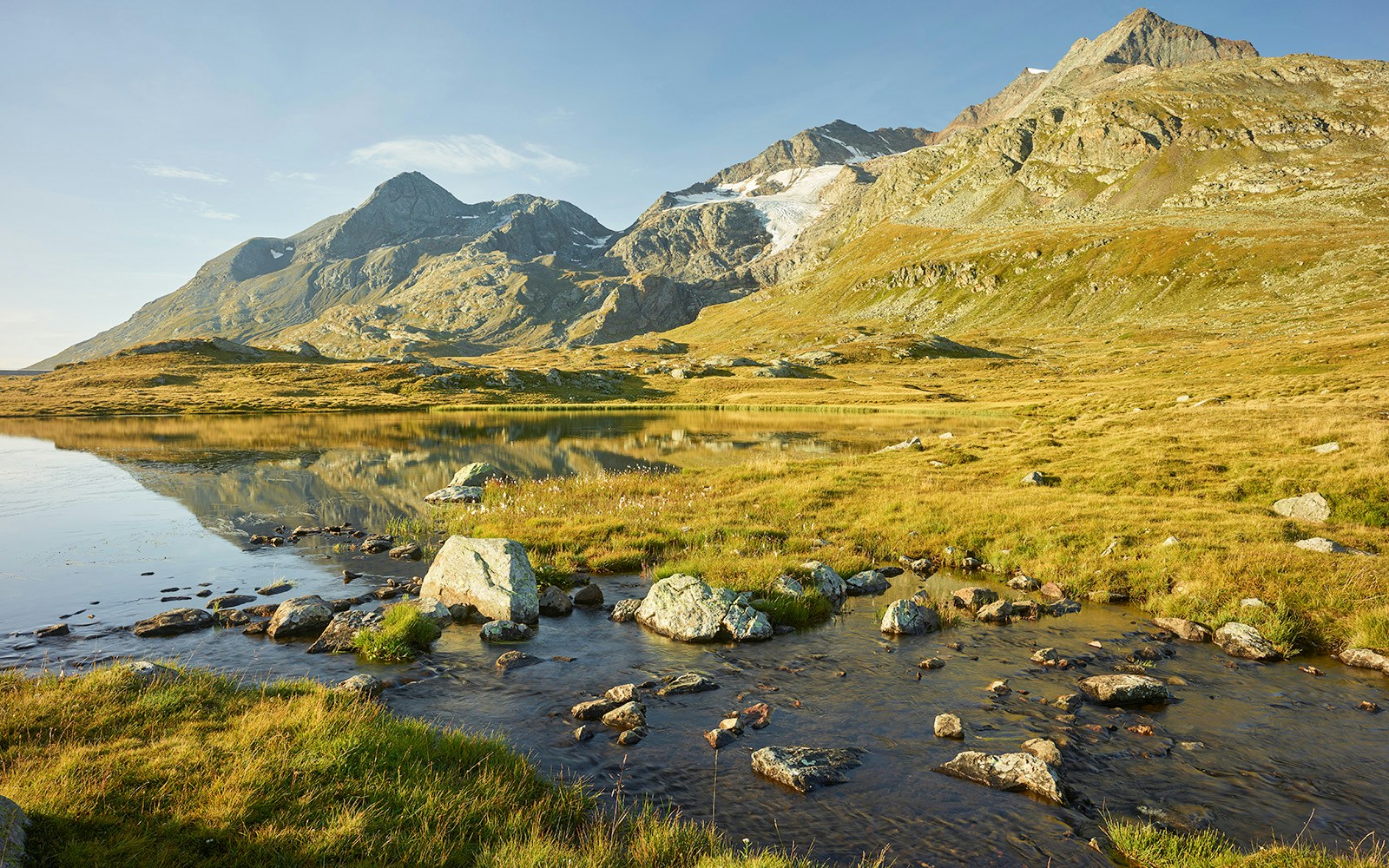
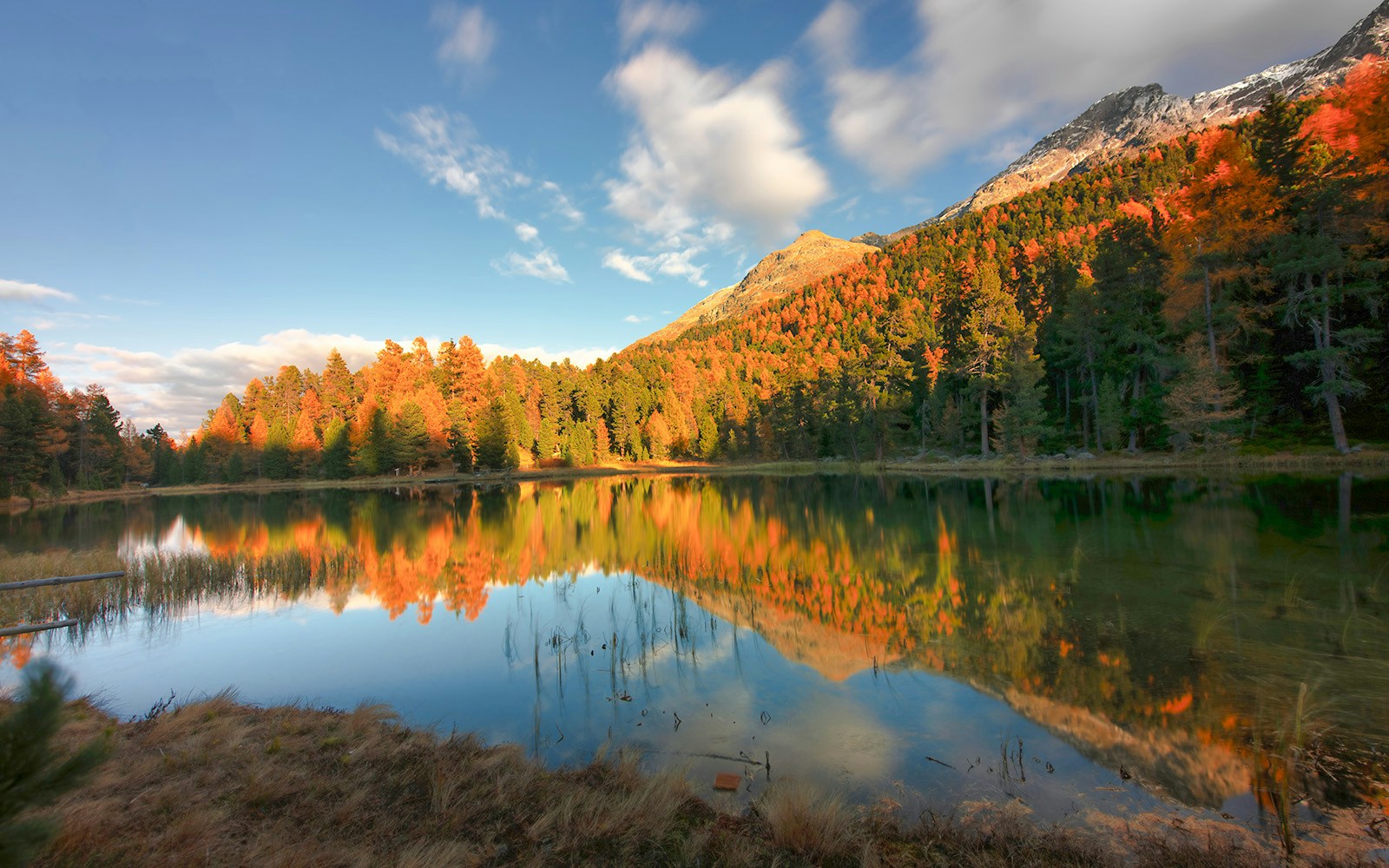
You’ll travel from snow-covered peaks and glaciers to sunny Italian valleys, with every stretch offering postcard views—from dramatic viaducts to quiet alpine lakes.
Good to know: You can start from either Chur or St. Moritz, depending on your itinerary.
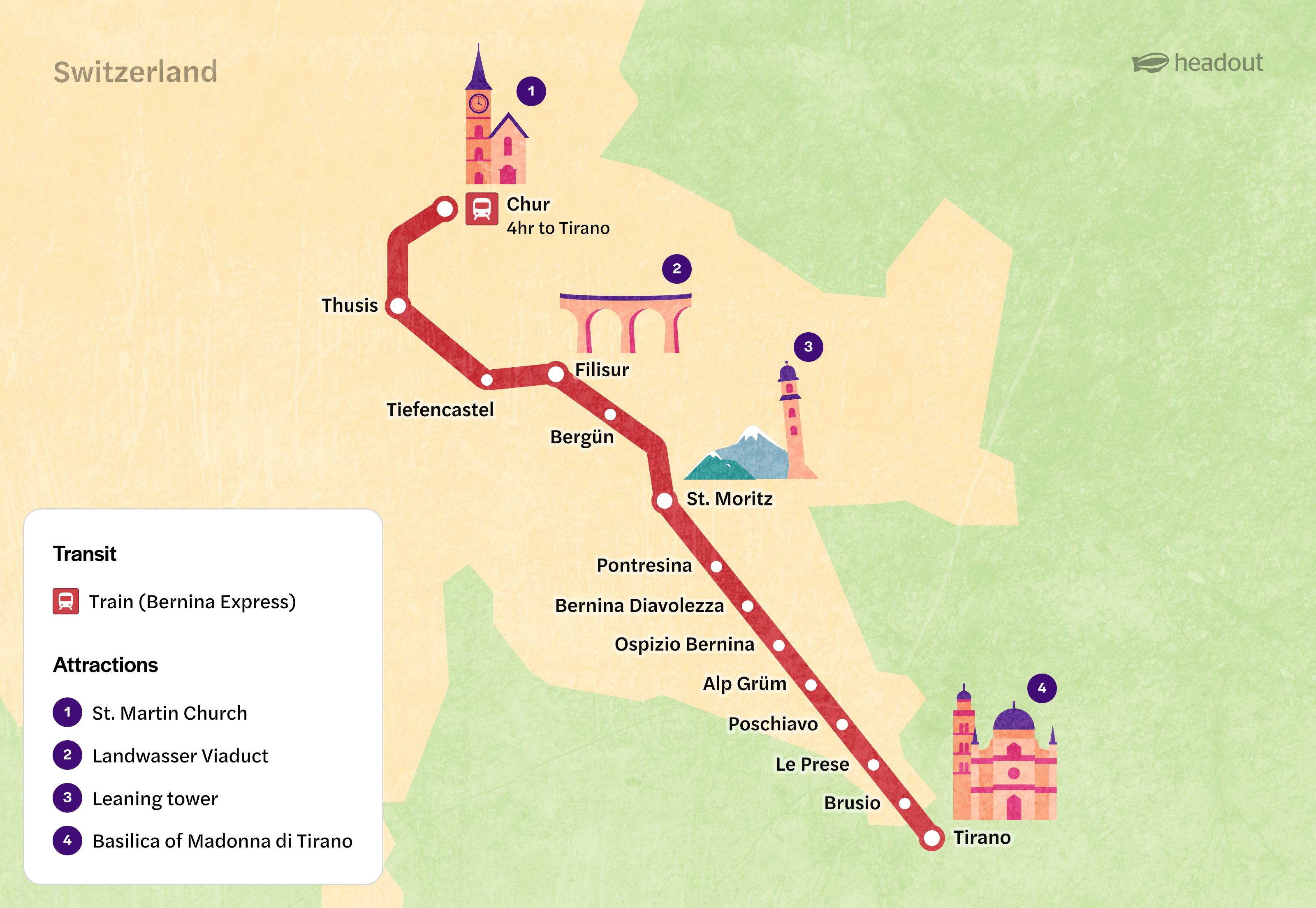
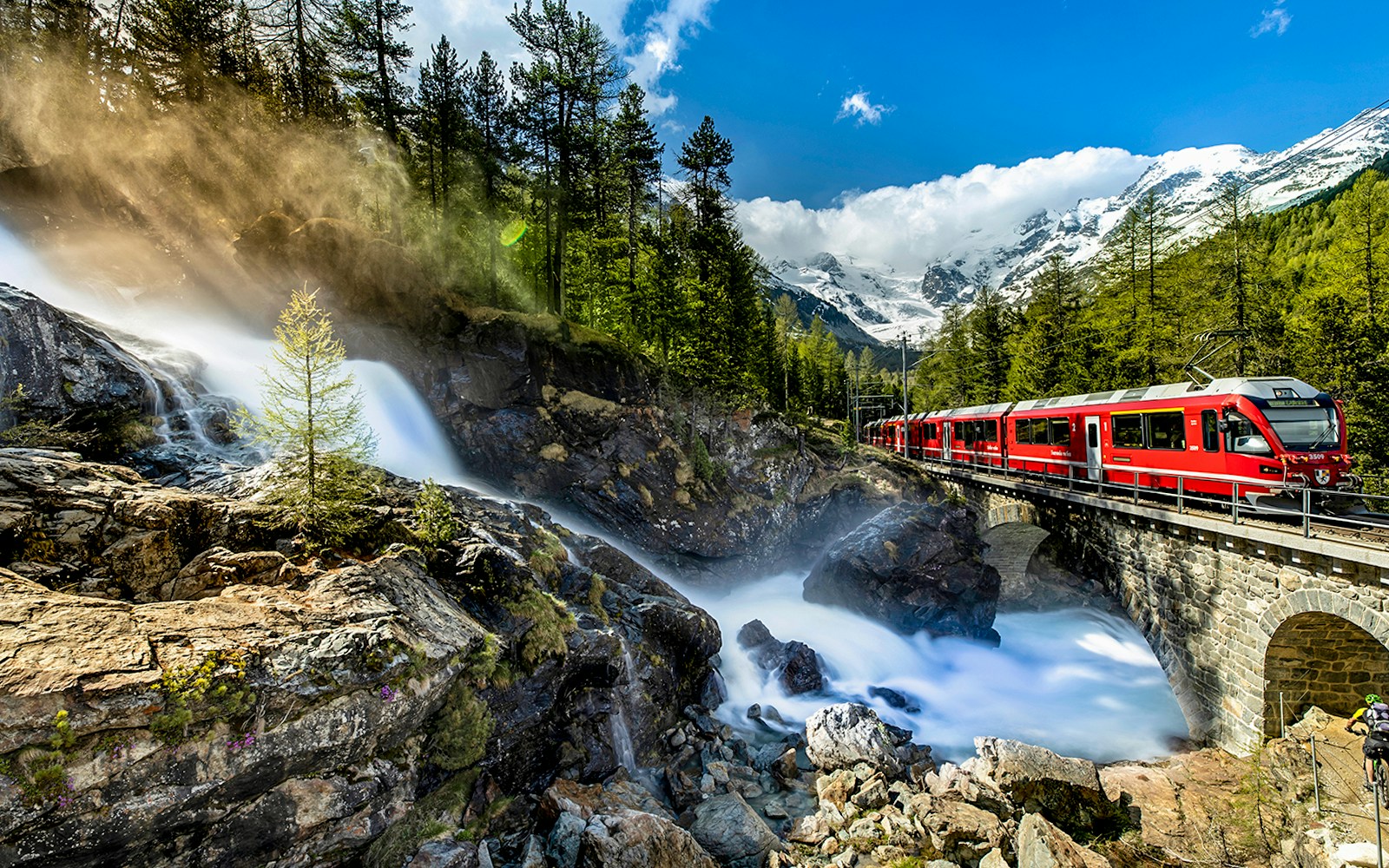
The Bernina Express runs on two historic railway lines, the Albula Line and the Bernina Line, together forming a continuous journey from Chur/St. Moritz to Tirano. Both sections are part of a UNESCO World Heritage railway, known for dramatic engineering and ever-changing landscapes across the Alps.
This northern section is where the journey begins.
This stretch is all about engineering brilliance meets alpine scenery, gradually gaining height as you approach the Engadin region.
From St. Moritz, the route shifts dramatically, this is the high-alpine to Mediterranean transition.
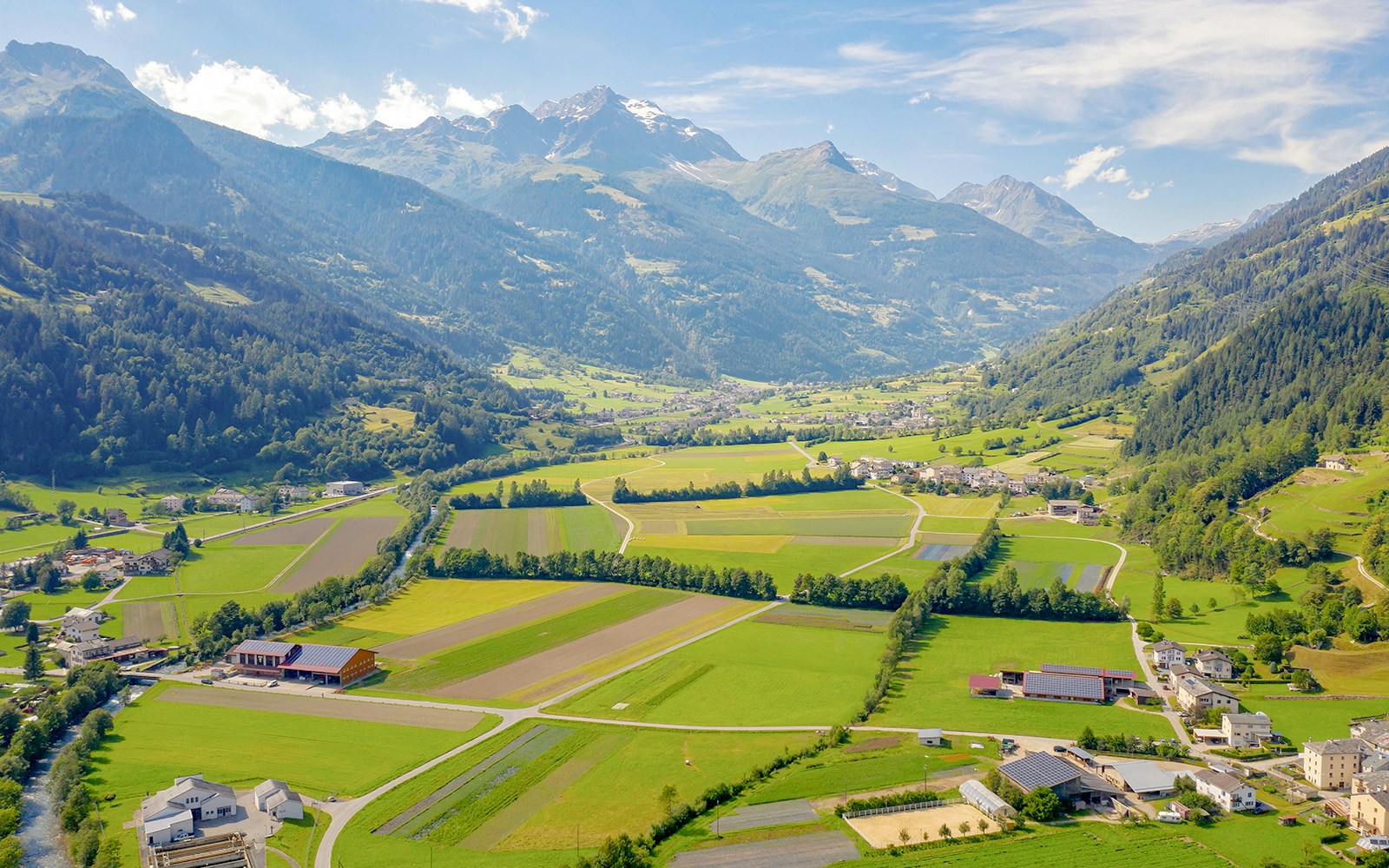
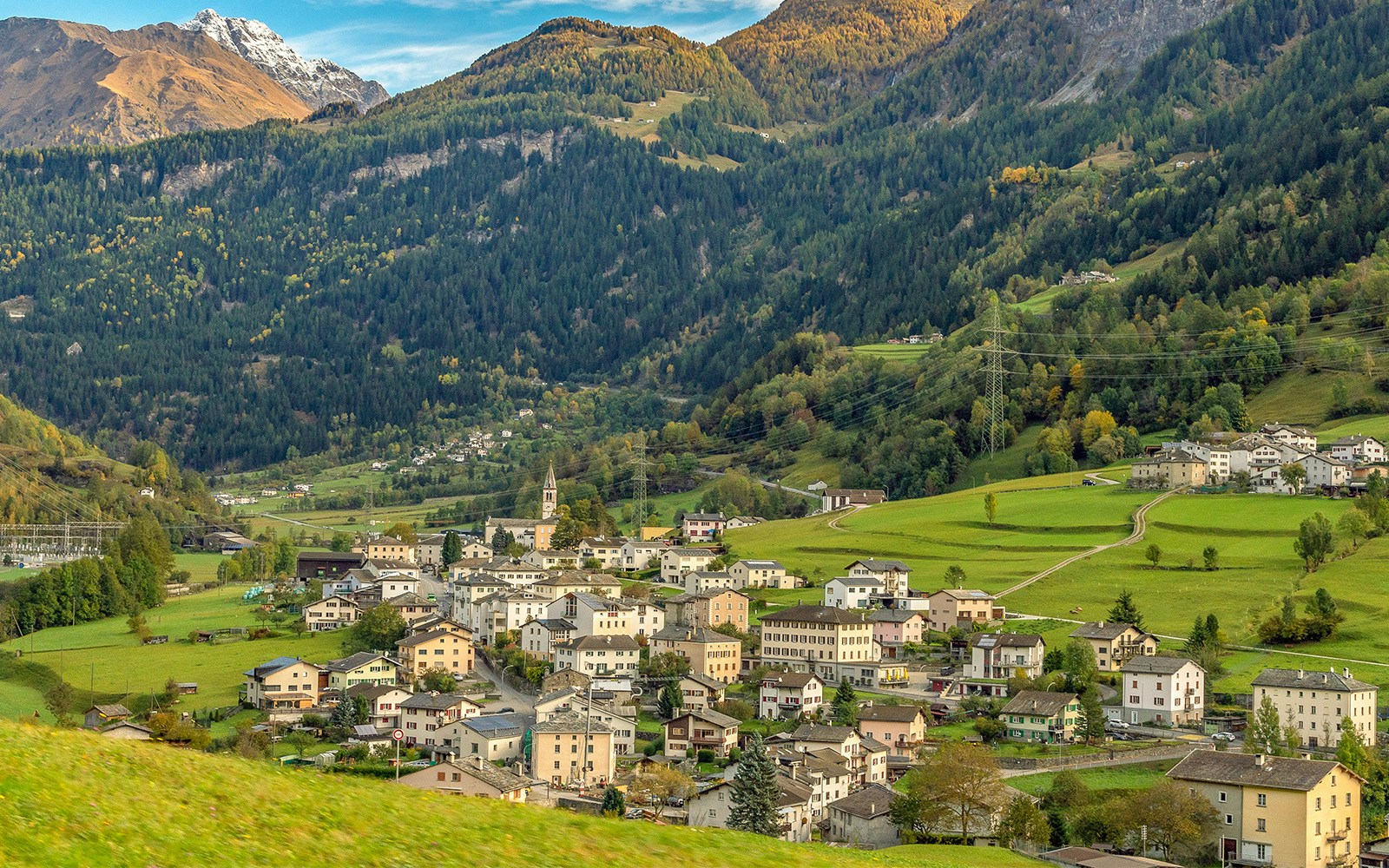
This section delivers the big scenic payoff, from icy peaks to sunny Italian landscapes in just a few hours.
What makes this route unique:
You’re not just taking a train—you’re crossing climates, cultures, and altitudes in one seamless journey, from Swiss Alps to Italian valleys, without ever leaving your seat.
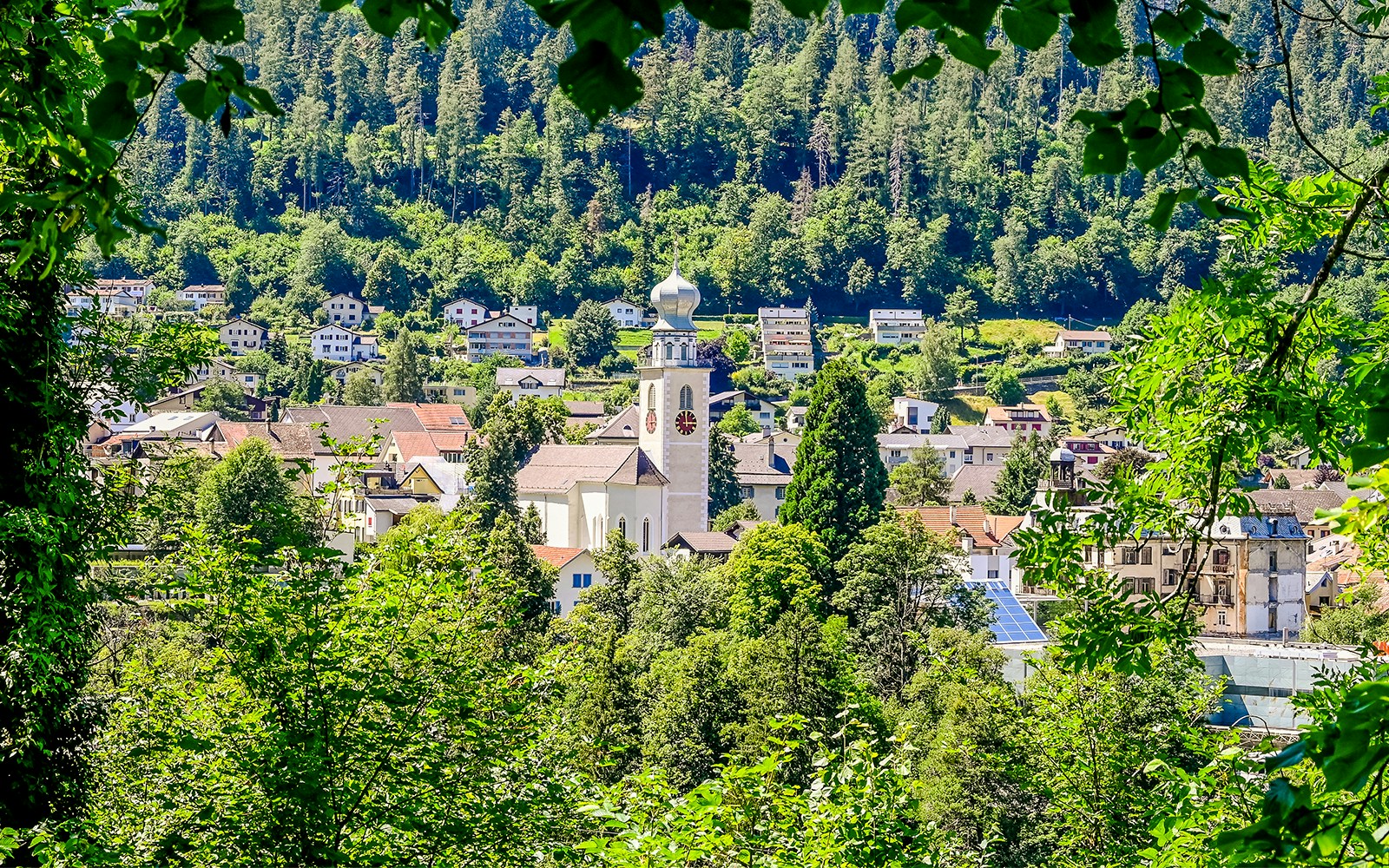
Chur is Switzerland’s oldest city, known for its well-preserved Old Town and cultural charm. It serves as a gateway to the Alps and is the starting point for the Bernina Express. Visitors can explore landmarks like St. Martin’s Church and the Bündner Kunstmuseum, making it a great blend of history and art.
Chur - Thusis
25 minutes
Thusis - Tiefencastel
15 minutes
Tiefencastel - Filisur
10 minutes
Filisur - Bergün
20 minutes
Bergün - Pontresina
50 minutes
Pontresina - Bernina Diavolezza
25 minutes
Bernina Diavolezza - Ospizio Bernina
20 minutes
Ospizio Bernina - Alp Grüm
15 minutes
Alp Grüm - Poschiavo
30 minutes
Poschiavo - Le Prese
10 minutes
Le Prese - Tirano
30 minutes
Pontresina - St. Moritz
20 minutes
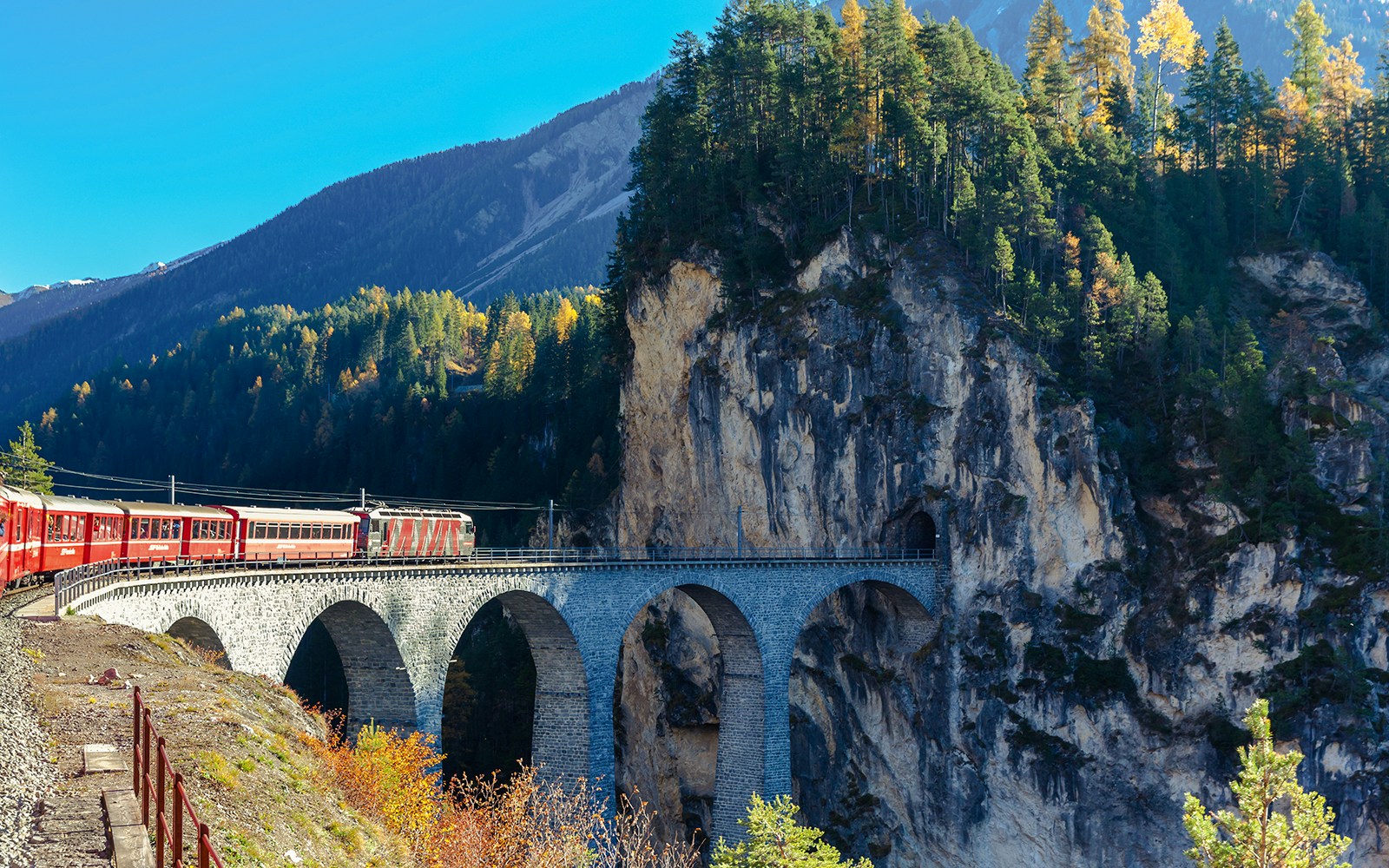
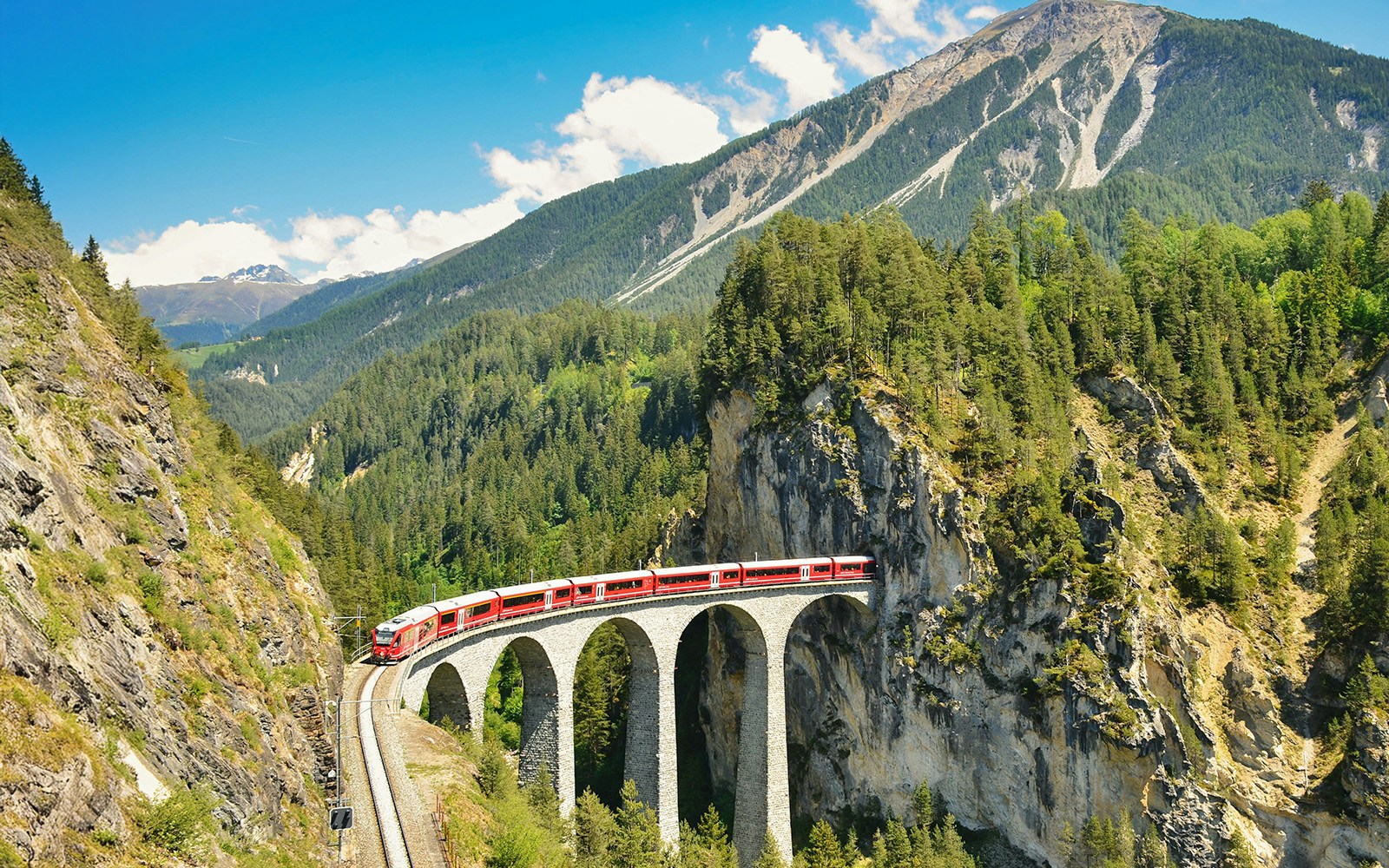
Yes! The Landwasser Viaduct is visible from the train near Filisur, but it’s also accessible via hiking trails in the area if you want a closer look.
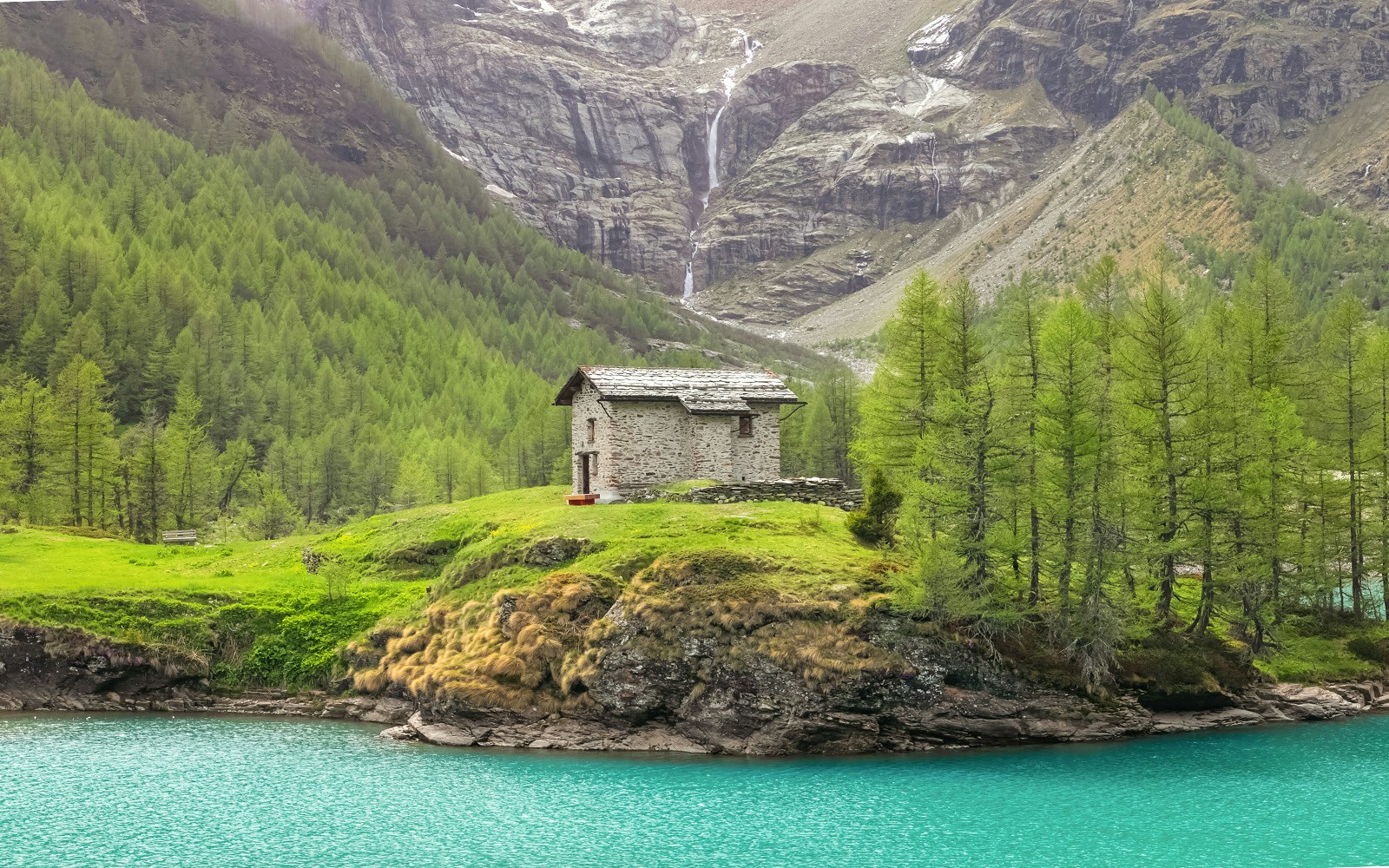
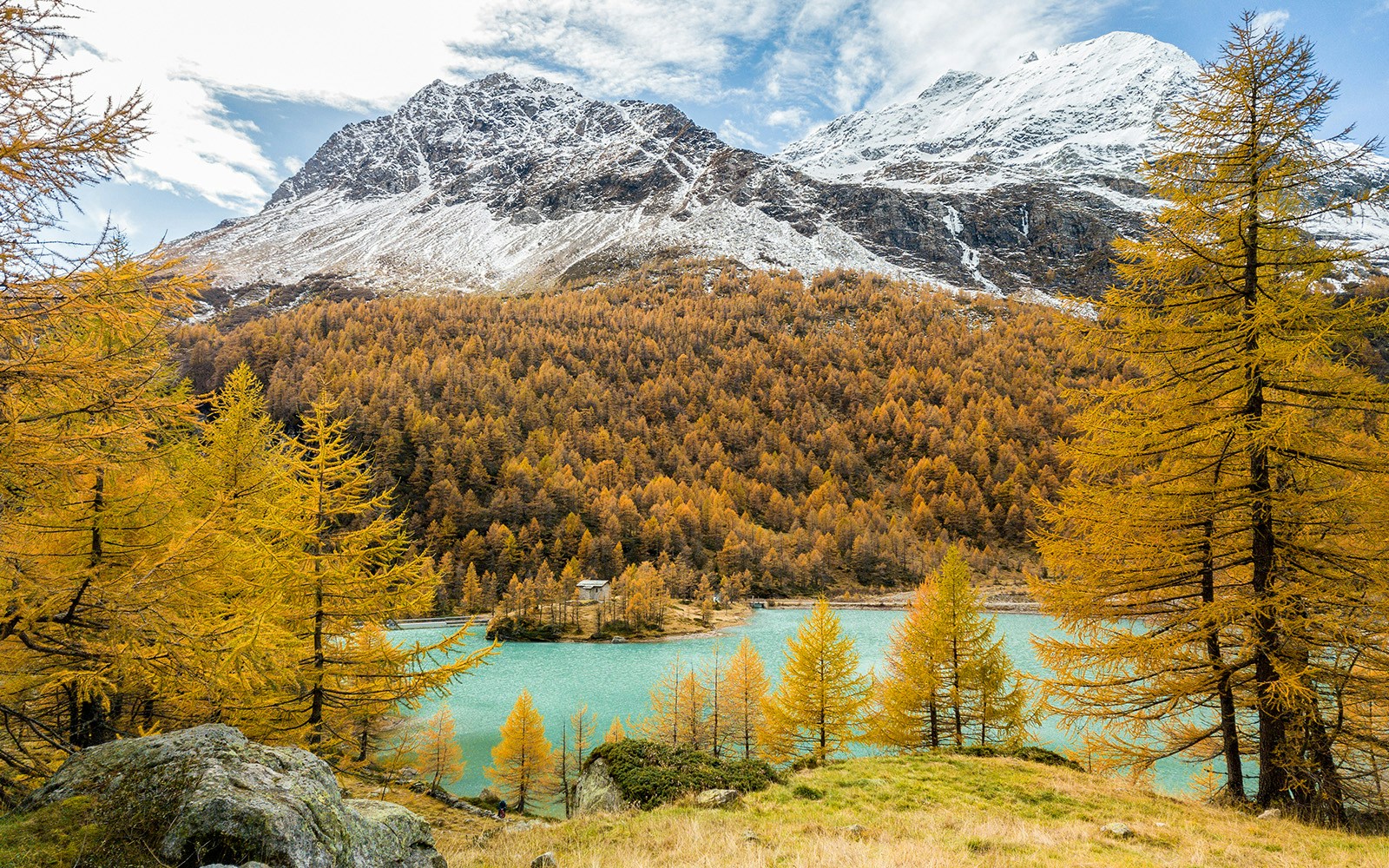
The highest stop is Ospizio Bernina, located at 2,253 meters above sea level. It offers views of Lago Bianco and Lago Nero.
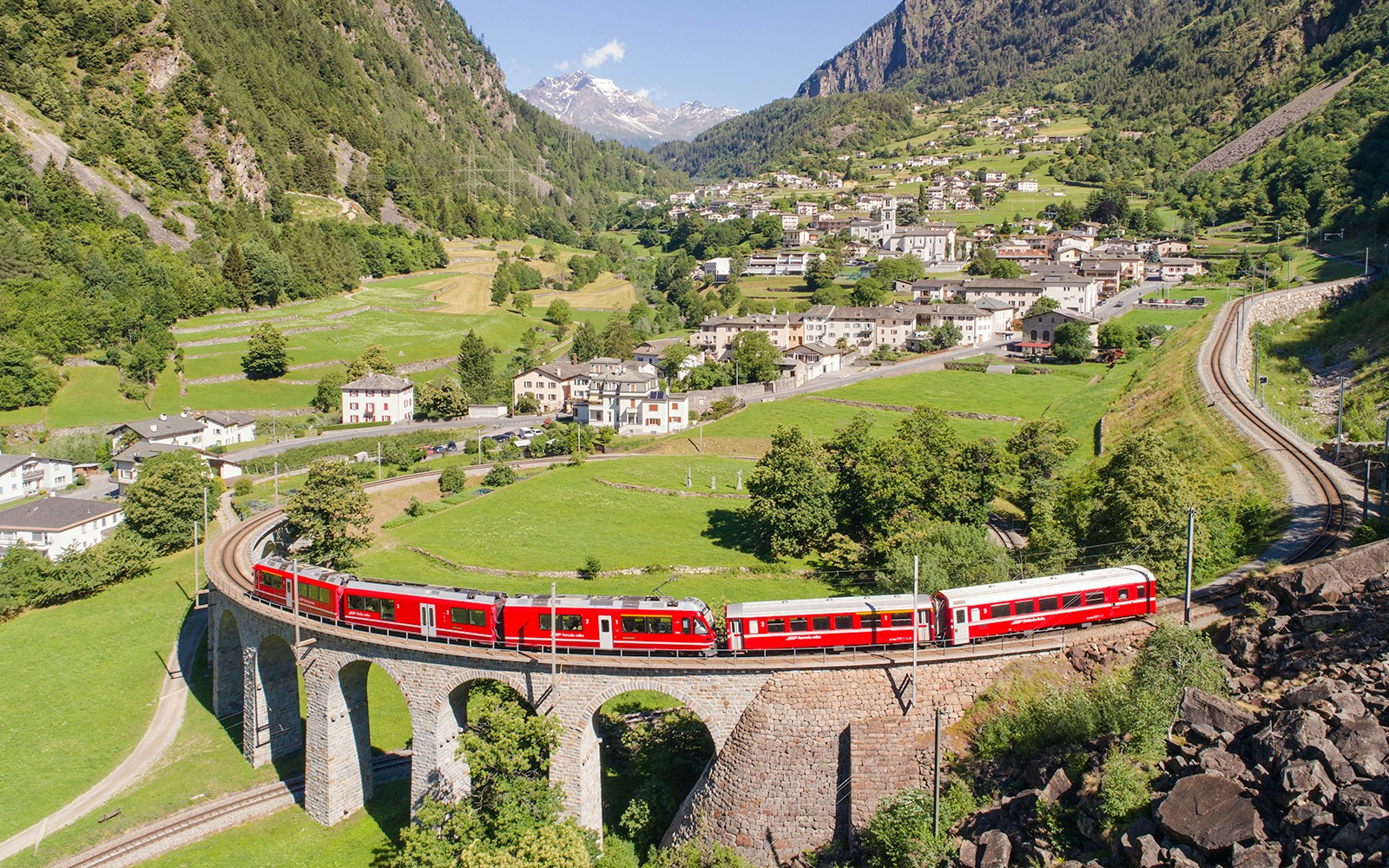
Located near Tirano, the Brusio Circular Viaduct is a spiral bridge that helps the train manage a steep descent into the valley. It’s a popular spot for photography.
On the Bernina Express, stops are fixed, and you cannot break your journey. To explore specific stations, use the regional trains that run along the same route.
The Bernina Express makes brief stops (1-5 minutes) at most stations. Stops at scenic points like Alp Grüm and Ospizio Bernina may be slightly longer, allowing passengers to take photos.
Yes! Many stops along the route, like Pontresina, Bergün, and Ospizio Bernina, connect to well-marked hiking trails.
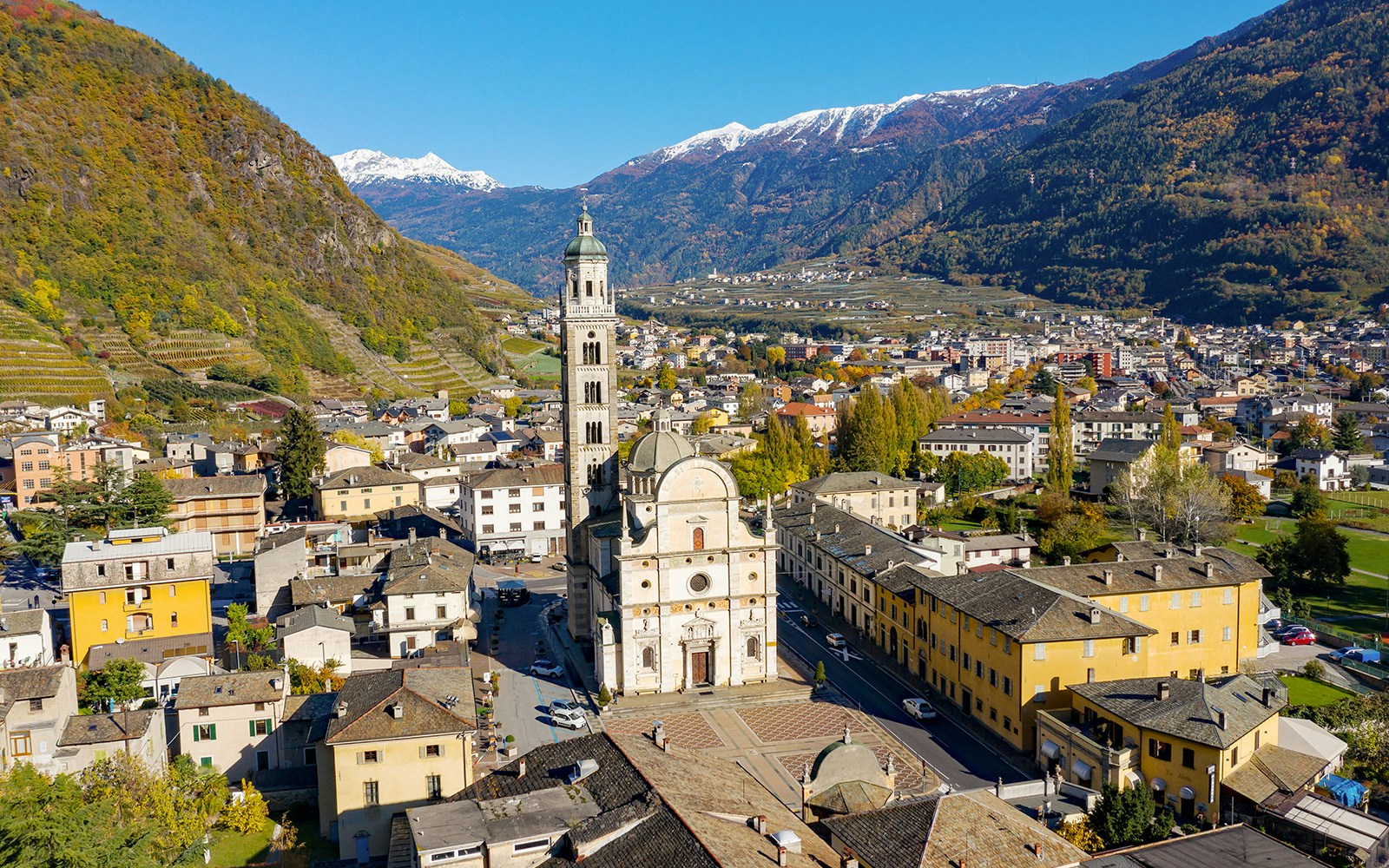
Yes, Tirano offers an Italian charm with attractions like the Madonna di Tirano Sanctuary, local cafes, and the bustling town square.